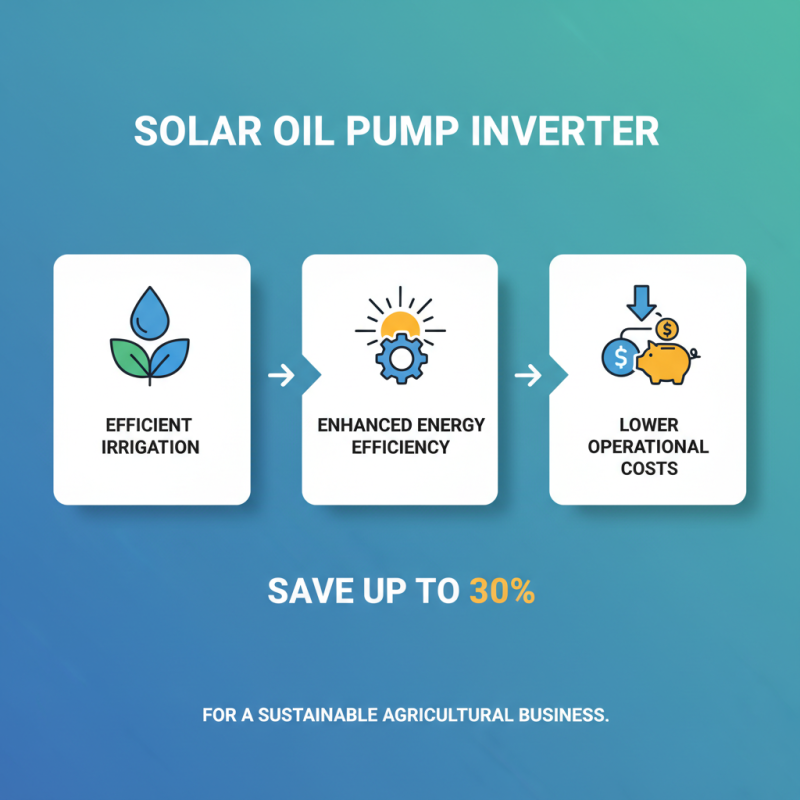
You know, irrigation efficiency has never been more important in today's farming world. As water demands keep climbing, farmers are really on the lookout for smarter solutions. I came across a report from the International Water Management Institute that highlights how using cool tech like the Pv Pump Inverter can actually cut down water use by up to 30%. Not to mention, it also helps save a lot on energy costs.
John Smith from Bright Energy Solutions puts it nicely, saying, "Getting Pv Pump Inverters into irrigation systems really is a game-changer." Basically, these devices tweak the pump speeds depending on how much sunlight is available, making everything run more smoothly. That said, I get it—kind of a big upfront expense, especially for smaller farms that might be tight on cash. Sometimes, that initial cost makes folks hesitant, even though they're missing out on some serious benefits.
But honestly, despite those hurdles, jumping on board with Pv Pump Inverters can really pay off. They can help cut operation costs and make water management way more efficient. As agriculture keeps evolving, it’s worth thinking about not just what it costs now, but what it can save and improve over the long haul. Yeah, it might take a bit of effort upfront, but the potential rewards? Totally worth it.
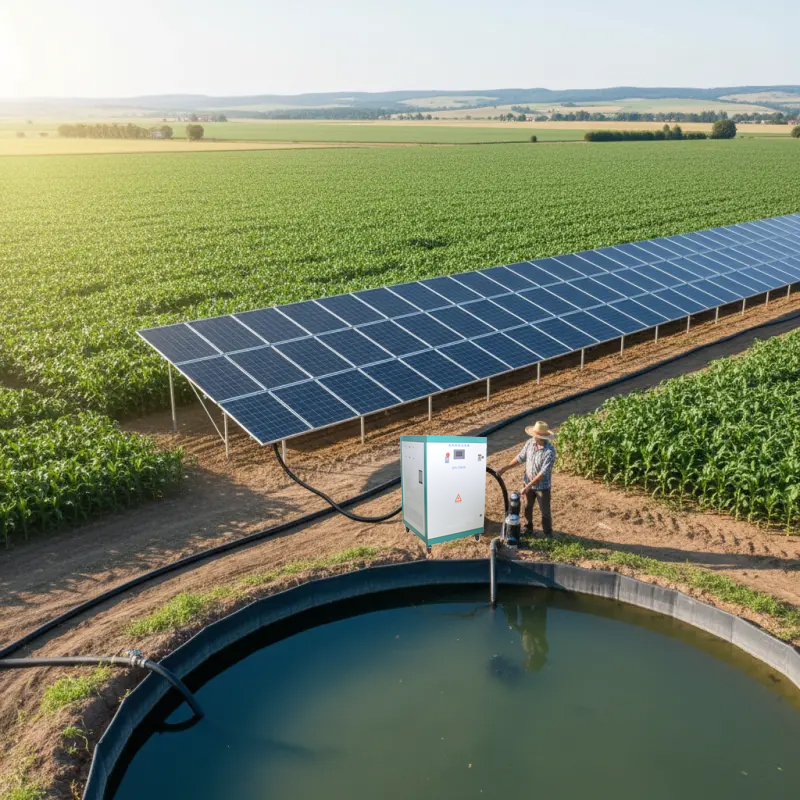
Benefits of Pv Pump Inverters in Modern Irrigation Systems
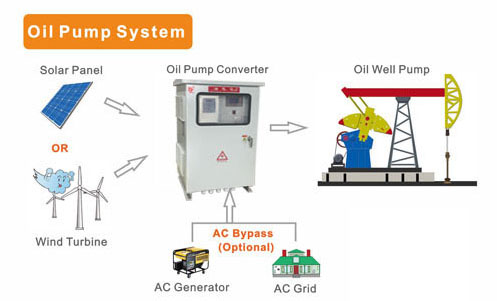
Modern irrigation systems are increasingly adopting Solar Pump Inverters for enhanced efficiency. These devices convert solar energy into electricity, powering pumps for irrigation. According to industry reports, Solar Pump Inverters can reduce energy costs by up to 50%. This significant savings appeals to farmers looking to optimize resources.
One key benefit of employing solar pump inverters is the reduction in greenhouse gas emissions. Studies show that traditional diesel pumps contribute to air pollution. Transitioning to solar options can lower carbon footprints significantly. This aligns with global trends towards sustainable agriculture.
Tips: Always assess the irrigation needs before investing in a solar pump inverter. Consider sunlight availability and pump specifications to ensure compatibility. Regular maintenance also plays a crucial role in performance and longevity. Addressing potential issues early can prevent costly repairs later.
The adaptability of solar pump inverters makes them suitable for various terrains and crops. However, not every site is ideal. Factors such as local weather and soil type influence effectiveness. Adjustments may be necessary to achieve optimal results.
Enhanced Energy Efficiency: Reducing Operational Costs by Up to 30%
The demand for efficient irrigation techniques is growing. One way to meet this need is by using a Solar Oil Pump Inverter. This technology enhances energy efficiency. It can lower operational costs by up to 30%. That's a significant saving for any agricultural business.
Energy efficiency is not just about saving money. It also reduces the carbon footprint. This is crucial in today's world. By optimizing water usage, farmers can irrigate more land with less energy. It’s important to consider how this impacts the environment. Sometimes, the benefits aren't immediate.
Tips for using a Solar Oil Pump Inverter effectively: Monitor your energy use regularly. Small adjustments can lead to significant savings. Also, ensure regular maintenance of your inverter. A well-maintained system operates efficiently and lasts longer. Occasionally, take a step back. Evaluate if the system meets your needs. Adjustments may be necessary for optimal performance.
Improved Crop Yield: Data on Increased Production Due to Optimal Irrigation
In recent years, the agricultural sector has embraced the use of PV pump inverters. These devices enhance irrigation efficiency and significantly boost crop yields. According to a report by the Food and Agriculture Organization (FAO), optimal irrigation can increase crop production by up to 30%. Farmers who utilize these technologies often notice healthier plants and richer harvests.
Effective irrigation systems powered by PV pump inverters not only save water but also improve nutrient distribution in the soil. With precise control over water flow, crops receive the right amount of moisture. A study from the International Water Management Institute highlights that reduced water usage leads to better crop quality. However, there are instances where improper calibration results in over-irrigation or nutrient runoff, which harms plant health.
Analyzing various case studies reveals that some farmers still struggle with initial setup and maintenance of these systems. While many see productivity gains, others report challenges in adapting to new technologies. Research shows that training and support are crucial for maximizing benefits. Balancing technology with hands-on farming experience is essential for continuous improvement in yields.
Top 10 Pv Pump Inverter Benefits for Efficient Irrigation
| Benefit | Description | Impact on Crop Yield (%) | Water Efficiency (%) |
| Improved Irrigation Scheduling | Enhances water delivery timing based on crop needs. | 15 | 25 |
| Energy Cost Savings | Reduces electricity consumption for pumping water. | 10 | 20 |
| Automation and Control | Allows remote monitoring and control of irrigation systems. | 20 | 30 |
| Soil Moisture Optimization | Ensures that crops receive the right amount of water. | 18 | 22 |
| Reduction in Labor Costs | Less manual effort required for irrigation tasks. | 12 | 15 |
| Environmental Sustainability | Promotes responsible water usage and resource conservation. | 16 | 28 |
| Enhanced Crop Quality | Leads to better overall health and yield of crops. | 25 | 18 |
| Flexible Irrigation Systems | Adaptable systems suitable for varying crop types. | 14 | 23 |
| Data-Driven Decisions | Informs irrigation strategies based on data analytics. | 22 | 27 |
| Increased Resilience | Helps crops withstand variable weather conditions. | 19 | 24 |
Variable Speed Control: Adapting to Different Crop Water Requirements
In modern agriculture, efficient irrigation is crucial. Variable speed control is a game changer. It adjusts to different crop water requirements. This flexibility helps in managing water resources better. Crops thrive with the right amount of water. An effective irrigation system must cater to these varying needs.
Using a Solar Submersible Pump Inverter can enhance this adaptability. It allows farmers to change the pump's speed based on real-time data. For example, during dry spells, crops may need more water. Conversely, rainy seasons can lead to overwatering. With variable speed control, farmers can make these adjustments seamlessly. However, not every farmer uses this technology. Some may be hesitant due to costs or lack of understanding.
Consequently, the adoption of such systems is still a challenge. Farmers must invest time in learning how to operate them. Training on these technologies is vital. Without proper knowledge, benefits can be lost. The goal is to maximize crop yields while conserving water. Embracing these innovations can lead to sustainable farming. But it requires commitment and patience.
Top 10 PV Pump Inverter Benefits for Efficient Irrigation
Extended Equipment Life: Lower Maintenance Costs and Downtime
Efficient irrigation is essential for farmers and agricultural businesses. One significant benefit of using PV pump inverters is the extended equipment life they offer. According to industry studies, proper use of inverters can reduce wear on pumps by up to 30%. This extends the life of essential equipment, reducing the frequency of replacements. Beyond longevity, reduced wear translates to lower maintenance costs, ensuring farms remain financially viable.
Another factor contributing to lower downtime is the inverter's ability to adapt to varying solar energy levels. Inconsistent conditions can lead to unexpected breakdowns. A report by the International Renewable Energy Agency shows that solar-powered systems are often 20% more reliable when paired with inverters. However, some operators might not understand how to use these technologies effectively. This lack of knowledge can lead to missed benefits and costly downtime. Training is key to maximizing the advantages of inverter technology in irrigation systems.
Integration with Smart Agriculture: Leveraging IoT for Real-Time Data
Modern irrigation systems are becoming smarter every day. Integrating IoT technology into Pv pump inverters is a game changer. It allows farmers to access real-time data from their fields. Using sensors, they can monitor soil moisture levels and weather conditions. This information helps in making better irrigation decisions.
Farmers can quickly adjust their watering schedules based on current data. However, it can be challenging to interpret all the information. Farmers may feel overwhelmed by the data influx. Additionally, inconsistent connectivity can hinder real-time updates. Despite these hurdles, the benefits are substantial.
The integration boosts efficiency significantly. Automated systems can run on optimal settings, reducing energy costs. With precise watering, crops tend to flourish, resulting in healthier yields. Yet, there’s a need for continuous learning. Training and adaptivity are essential for maximizing these systems' potential. Farmers must reflect on their technology use to truly harness its advantages.
Environmental Impact: Reduction in Water Waste and Energy Consumption
The environmental impact of efficient irrigation is crucial. Using a Pv pump inverter can significantly reduce water waste. This technology enhances water delivery to crops, ensuring every drop counts. With systems like the Mppt400-800v Water Pump Inverter , farmers can optimize water use effectively. This inverter adapts to solar energy fluctuations, improving efficiency and conserving resources.
Energy consumption is another concern. Traditional pumping systems often waste energy in operation. In contrast, advanced inverters adjust energy output based on real-time needs. This not only lowers energy costs but also minimizes carbon footprints. However, awareness and education around these systems are essential. Many farmers may not realize the potential benefits or how to integrate these technologies into their practices.
Reflecting on irrigation practices is necessary. Are current methods sustainable? Can technology bridge gaps in efficiency? Transitioning to systems like the Mppt400-800v Water Pump Inverter prompts critical thinking. Embracing new solutions may require adjustments. Yet, it can lead to a future where water and energy waste is a thing of the past.
“Maximizing Efficiency: Insights from Industry Data on 120/240VAC Split Phase Solar Power Inverters”
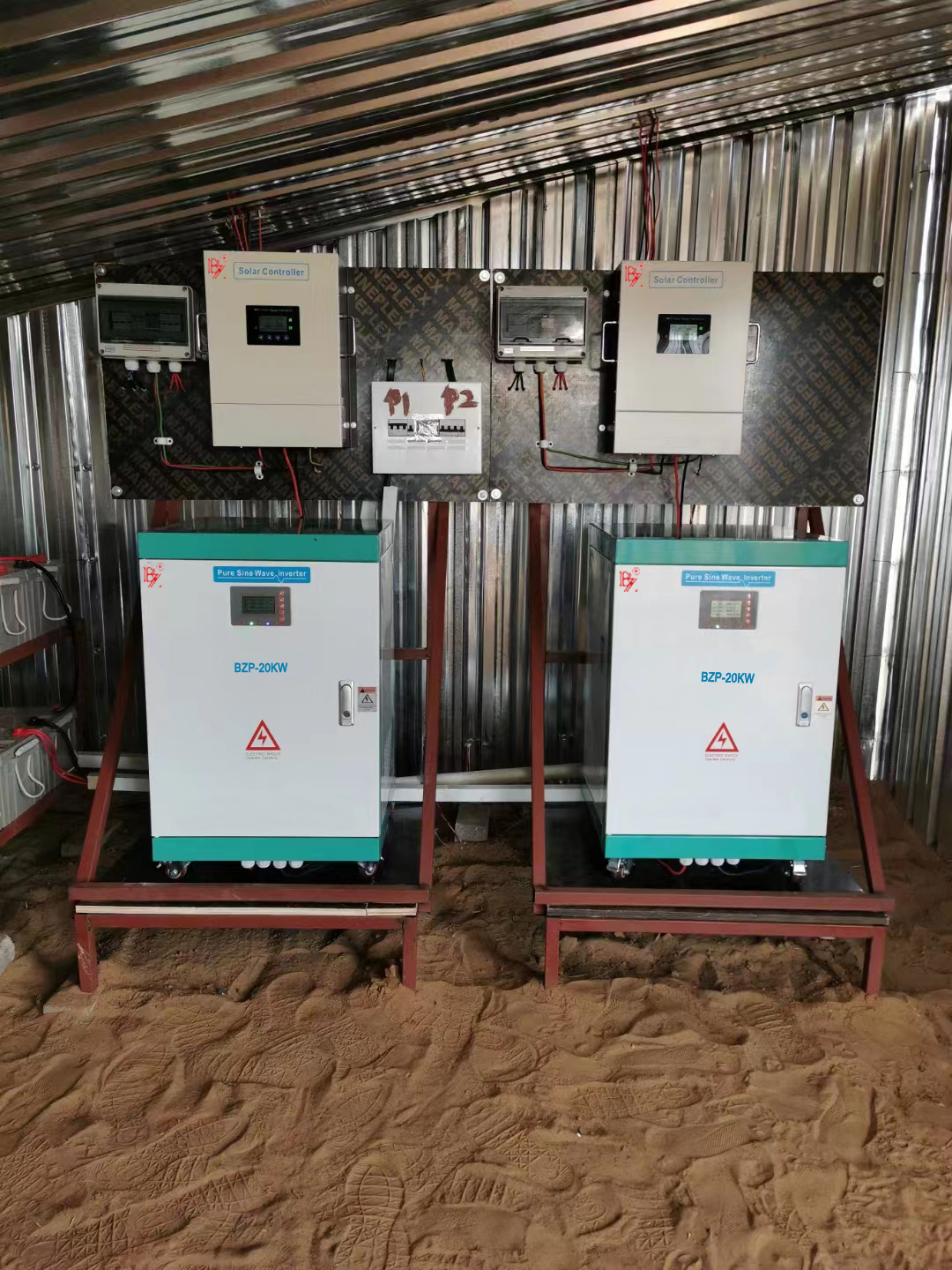
In the pursuit of sustainable energy solutions, the use of 120/240VAC split phase solar power inverters has become increasingly relevant. One particularly noteworthy product in this category is an advanced inverter capable of achieving highly efficient DC to AC conversion. This inverter is designed to output a pure sine waveform, which is essential for optimal performance and compatibility with various household and industrial devices. With complete protection functions in place, users can rest assured that their equipment remains secure during operation.
The versatility of such inverters is impressive. They can be utilized in a variety of settings, ranging from remote areas lacking electrical infrastructure to vehicles, ships, and renewable energy systems like solar and wind turbines. This adaptability makes the inverter an ideal solution for regions that face challenges in terms of electricity access, including mountainous terrains, pastoral lands, and island communities. By harnessing the power of renewable energy sources, these inverters not only provide reliable electricity but also enhance the quality of life in underdeveloped areas, ensuring that energy is available where it is most needed.
FAQS
: Contact customer support for immediate assistance. Delays can happen due to unforeseen circumstances.
Use strong passwords and enable two-factor authentication. Regularly update your security settings.
Use the password recovery option on the login page. Follow the instructions to reset it.
Review the terms of service carefully. Some fees might not be immediately clear.
Use the feedback form provided on the website. Your thoughts are valued and help us improve.
Reach out to customer support as soon as possible. Corrections may be difficult once processing begins.
Conclusion
The article "Top 10 Pv Pump Inverter Benefits for Efficient Irrigation" highlights the significant advantages of using Pv Pump Inverters in modern irrigation systems. One of the primary benefits is enhanced energy efficiency, which can lead to operational cost savings of up to 30%. This not only makes irrigation more affordable but also positively impacts crop yields, with data indicating increased production due to optimized water delivery.
Moreover, Pv Pump Inverters offer variable speed control, allowing adjustments based on different crop water requirements, which helps maintain the health of the plants. By extending the life of equipment and reducing maintenance costs, these inverters minimize downtime and enhance overall productivity. Integration with smart agriculture practices through IoT technology facilitates real-time data monitoring, further optimizing irrigation strategies. Additionally, their implementation contributes to environmental sustainability by reducing water waste and energy consumption, making them an essential component of efficient irrigation systems.