

News
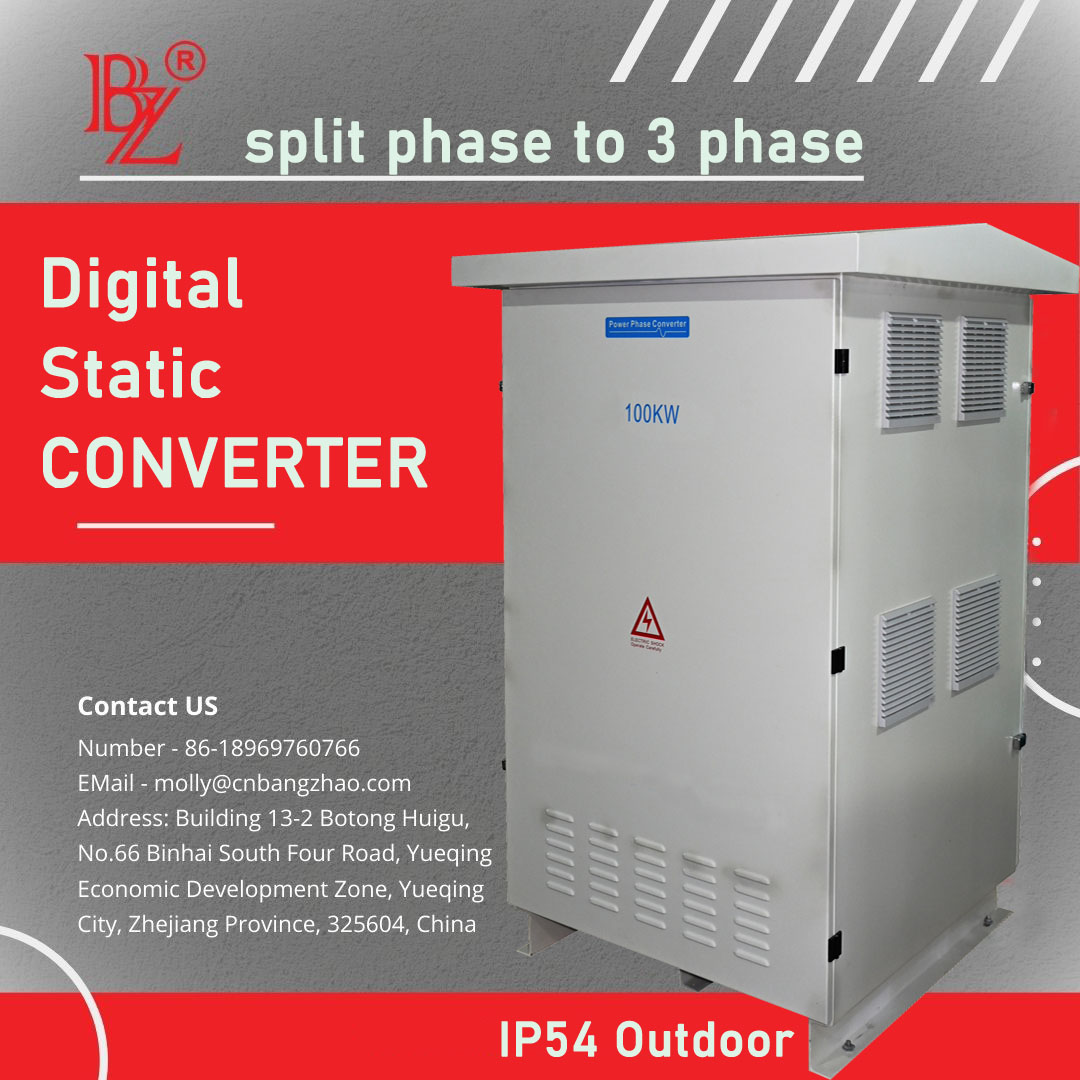
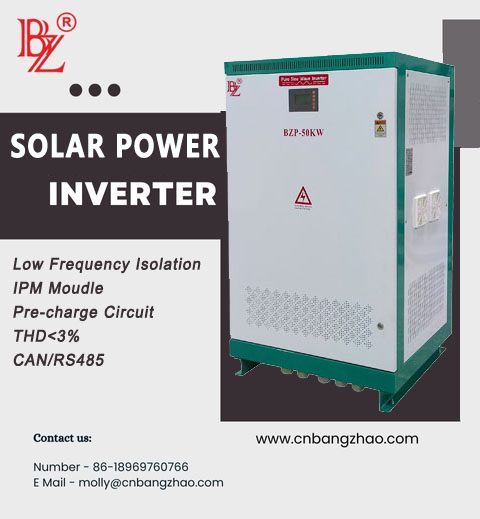
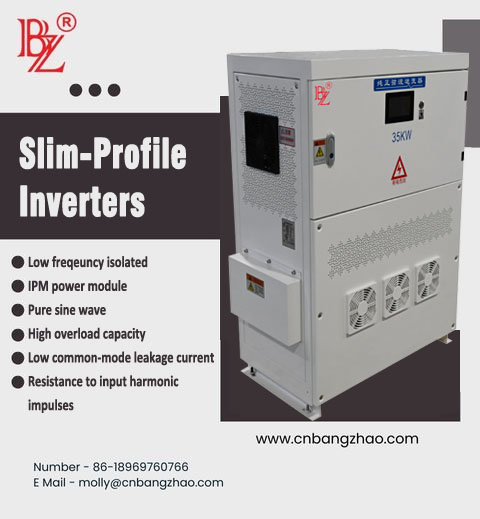
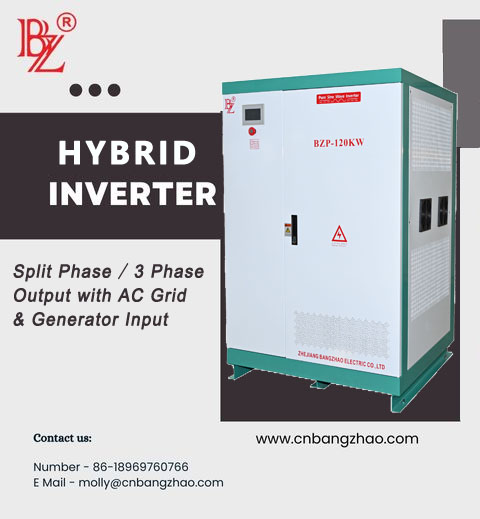
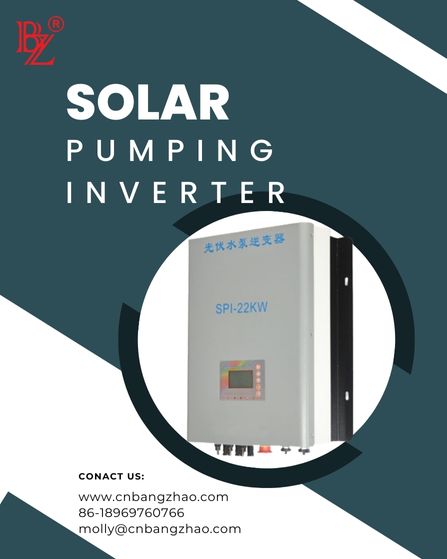
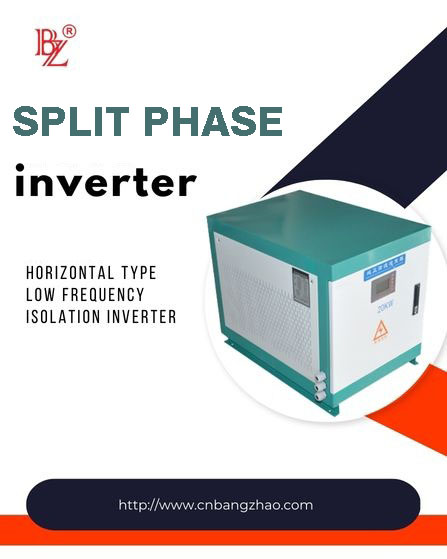
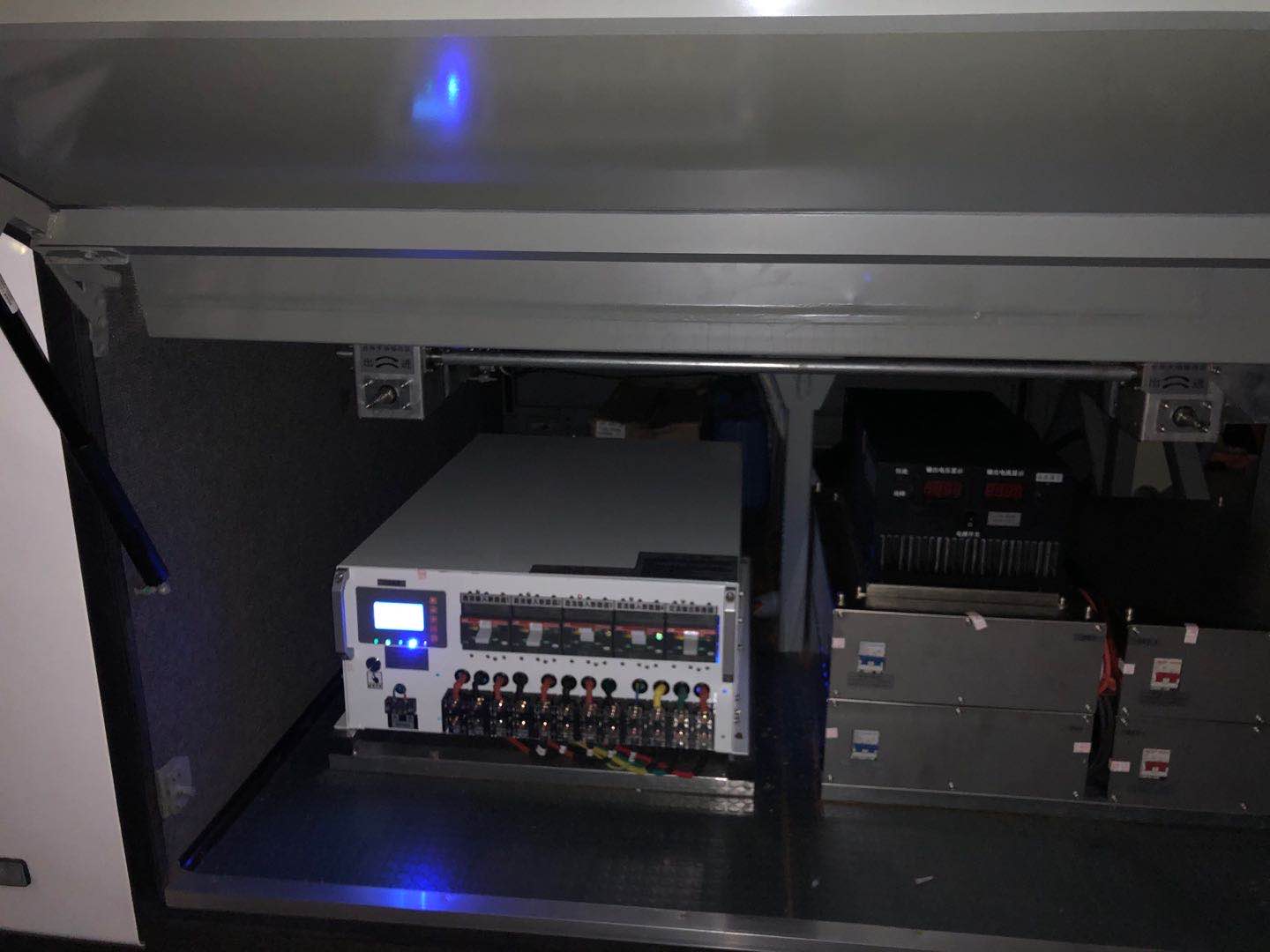
Single-phase voltage converter (AC-DC-AC circuit structure)
In fields such as industrial automation, precision manufacturing, medical equipment, and cross-border equipment compatibility, the stability and compatibility of power supply directly affect the operational efficiency and lifespan of equipment. The power frequency isolation single-phase/three-phase voltage converter, with its AC-DC-AC two-stage conversion architecture, pure sine wave output characteristics, and full load compatibility, has become the core equipment for solving complex power issues.
1. Technical Architecture: Synergistic Advantages of Power Frequency Isolation and Two-Stage Conversion
This converter adopts a two-stage conversion design of ‘AC-DC rectification + DC-AC inversion,’ with core modules including:
Front-end AC-DC Rectifier
: Utilises PWM rectification technology to convert single-phase AC power into high-voltage DC power, achieving unity power factor operation with input current harmonic distortion (THD) ≤3%, significantly reducing grid pollution.
Intermediate DC Bus
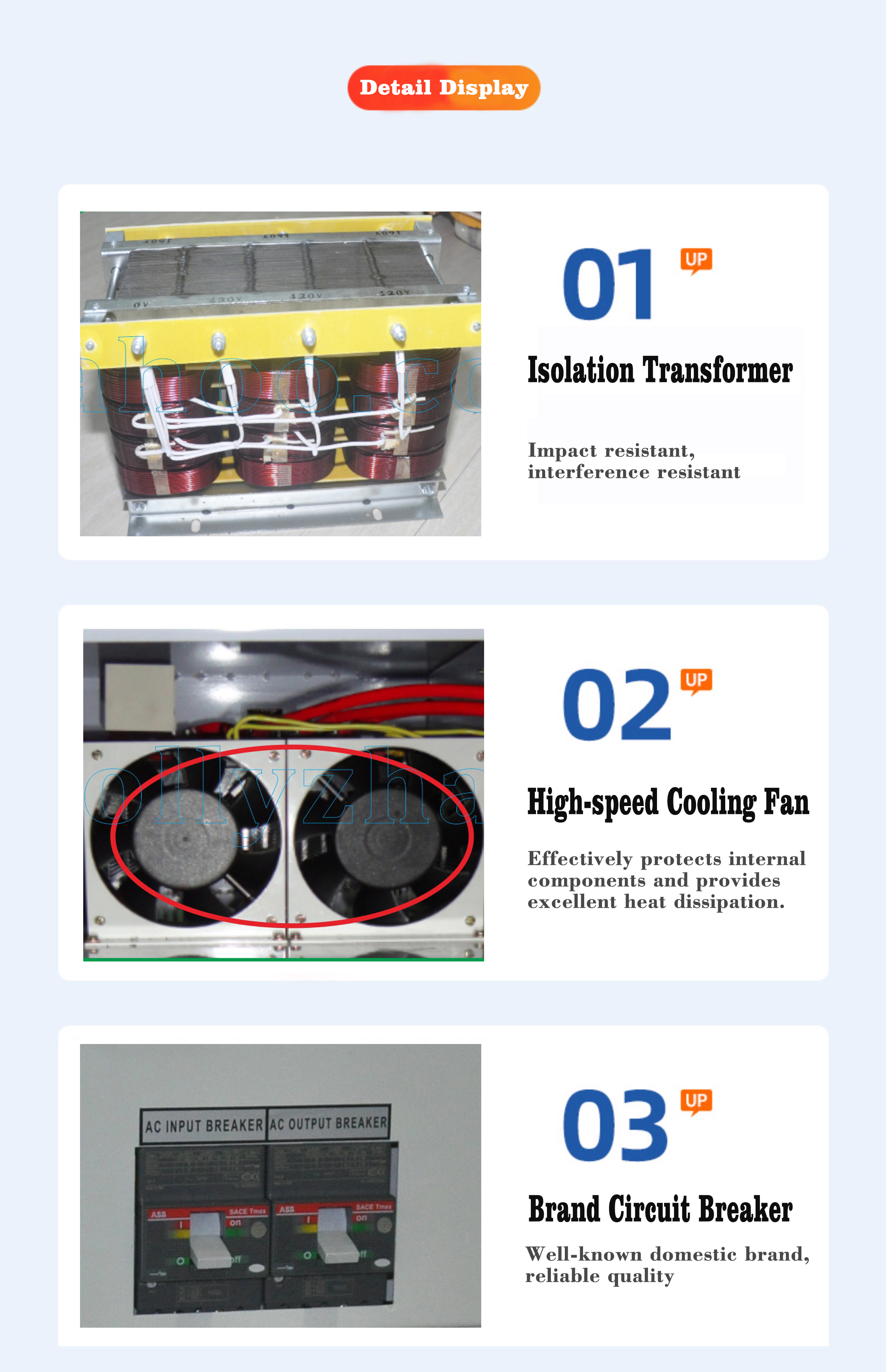
: Employs a power frequency isolation transformer to achieve electrical isolation, effectively blocking harmonics, surges, and electromagnetic interference from the grid, providing a clean DC power source for the subsequent inverter.
Downstream Dc-Ac Inverter
: Based on the SVPWM spatial vector algorithm, it converts DC power into standard three-phase sinusoidal AC power, with output voltage stability of ±3%, frequency accuracy of ±0.1Hz, and waveform distortion rate ≤3%.
Taking the Bangzhao Electrical 220V 50Hz to 380V 50Hz converter as an example, it uses Mitsubishi's sixth-generation IPM intelligent modules to achieve closed-loop control and adaptive regulation of input voltage. It can stably output three-phase 380V/50Hz power within a single-phase input range of 130-300Vac, with a conversion efficiency of up to 90% and no-load loss below 1.5%.
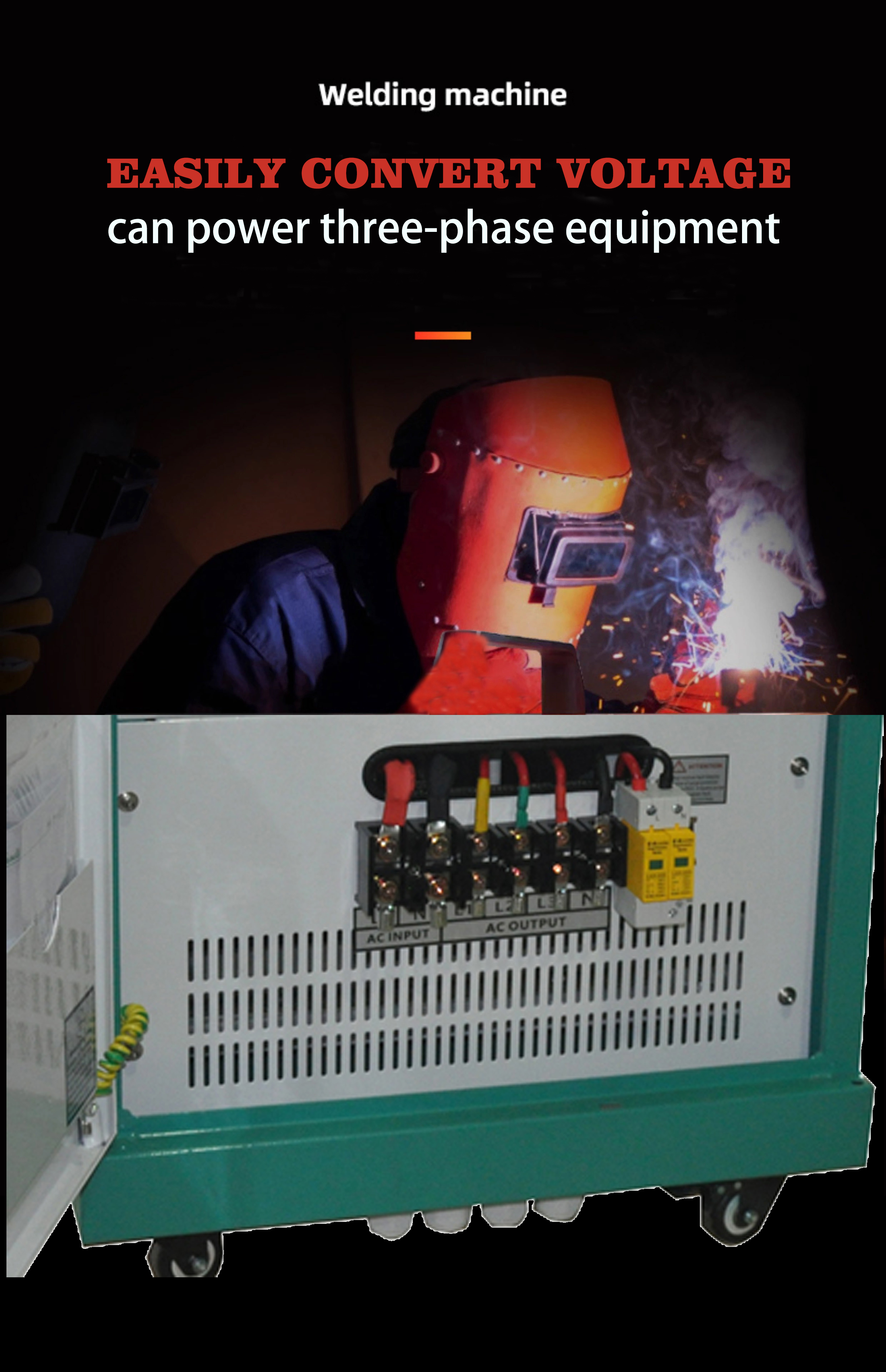
Industrial-grade reliability design
Multiple protection mechanisms
: Integrated overvoltage/undervoltage, short circuit, over-temperature, and phase loss protection, with a fault response time of ≤10 ms. For example, when the output current exceeds 150% of the rated value, the IPM module will cut off the power supply within 5 μs to prevent device damage.
Redundant cooling system
: Uses forced air cooling + integrated cooling module, with an operating temperature range of -20°C to +55°C.
Modular structure
: Key components such as the IPM module and capacitor bank use a plug-in design, reducing maintenance costs by 60%.
Global Power Adaptability
Dual-Conversion Voltage and Frequency
: Supports an input voltage range of 100-300Vac and 50/60Hz frequency switching, addressing cross-border equipment compatibility challenges. For example, when a 60Hz medical CT machine imported from Japan or the United States is connected to China's 50Hz grid, the converter can output a 220V/60Hz pure sine wave, maintaining the original factory image resolution specifications.
Three-phase balanced output
: Using dynamic phase adjustment technology, even if single-phase input power fluctuates by ±20%, the output three-phase voltage imbalance meets the stringent requirements for power symmetry in precision machining centres.
Intelligent monitoring and management
DSP digital control
: Utilises American DSP chips to achieve real-time calibration of voltage/frequency, with dynamic response speed improved compared to traditional analogue control.
Remote communication interface
: Optional RS485/CAN bus supports Modbus-RTU protocol, enabling remote parameter configuration and fault warning.
Energy-saving and environmental benefits
Low harmonic pollution
: Input current THD ≤ 3%, meeting harmonic emission standards without additional filters, avoiding increased operational costs due to harmonic fines.